We will send you an email to reset your password.

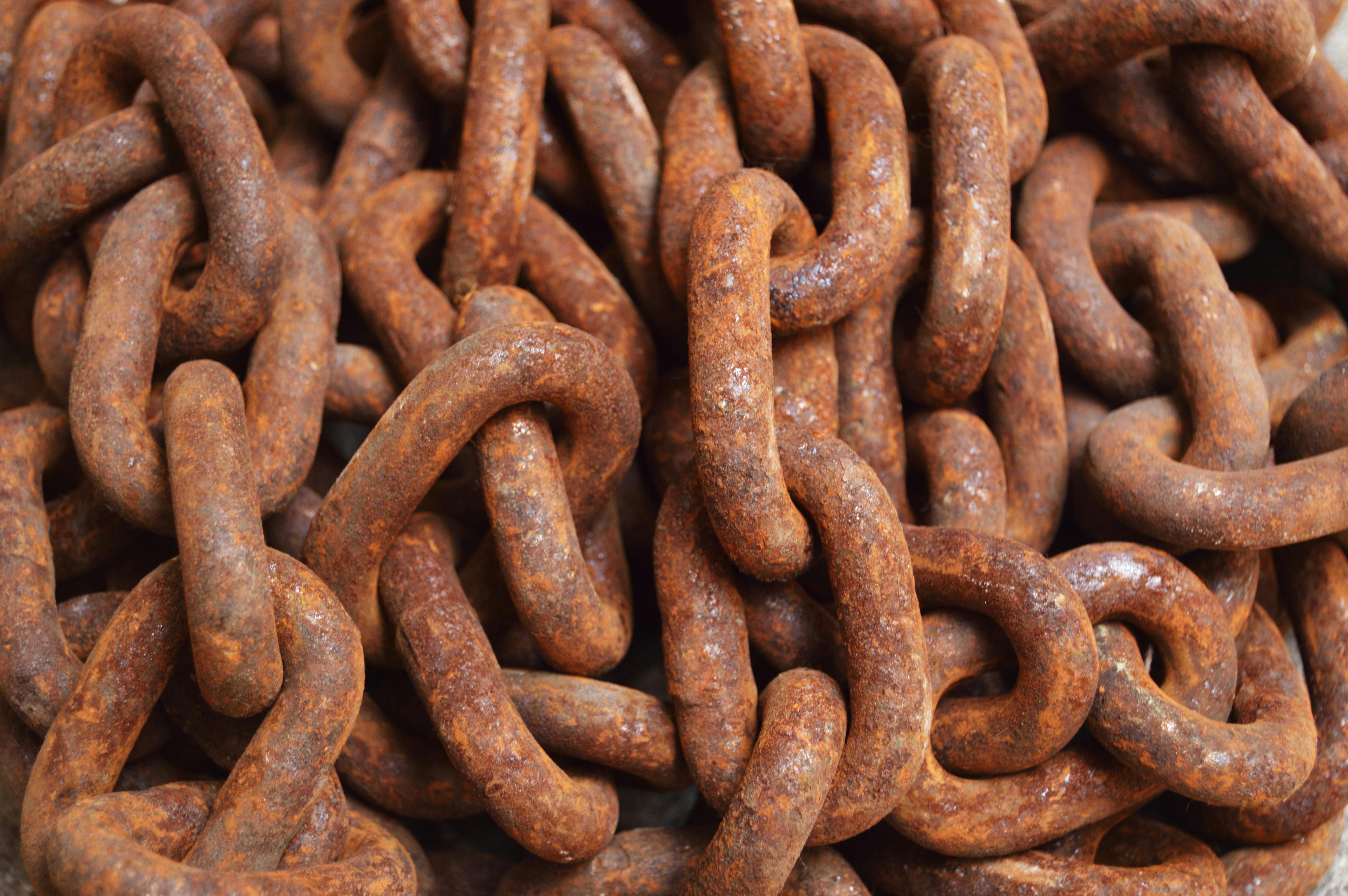
Rust is one of the biggest enemies of metal gear used in the ocean. From boat fittings and dive tanks to fishing reels and tools, anything made of iron or steel can start rusting fast when exposed to salt, air, and water. But what’s really happening when metal rusts and how do rust removers fix it? Let’s break down the science behind it.
What Is Rust and Why Does It Happen?
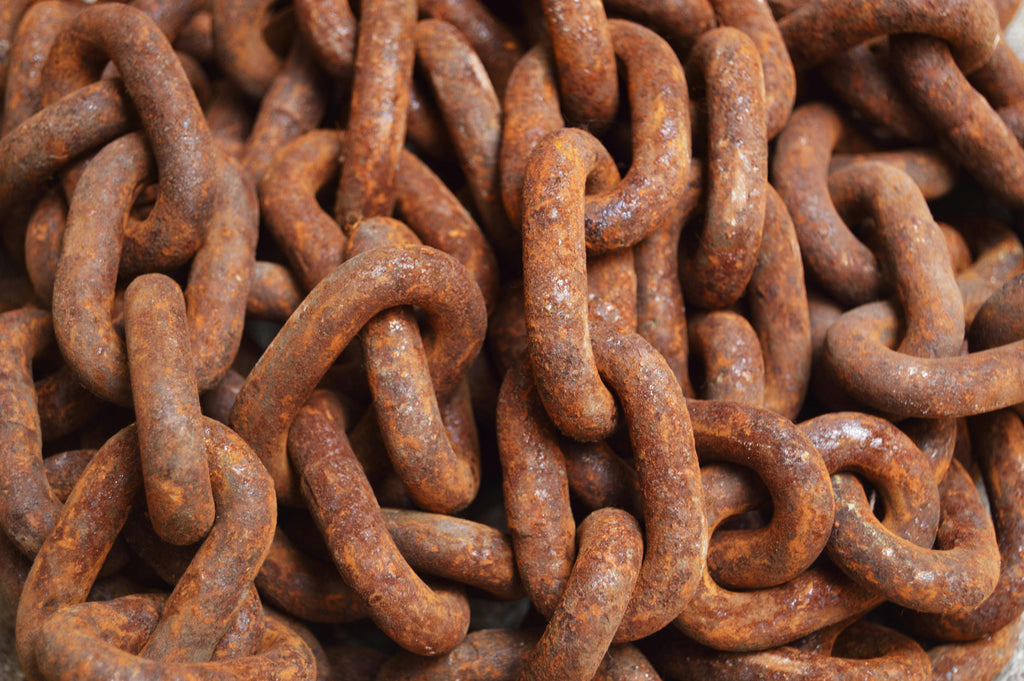
Rust is a type of corrosion that forms when iron reacts with oxygen and water.
The process is called oxidation, and it creates a reddish-brown layer called iron oxide on the surface of the metal.
4Fe + 3O₂ + 6H₂O → 4Fe(OH)₃ → Fe₂O₃·nH₂O (rust)
In marine environments, this reaction happens much faster because saltwater contains electrolytes, which help electricity flow and speed up corrosion. Even humid sea air can trigger rust on unprotected metal surfaces.
How Rust Removers Actually Work
Rust removers don’t just “clean” the surface. They use chemical reactions to break down or dissolve rust without damaging the base metal. Most marine rust removers rely on one or a mix of the following methods:
1. Acid-Based Reaction
Many rust removers contain mild acids like phosphoric acid or oxalic acid.
These acids react with iron oxide and convert it into soluble compounds that can be rinsed off easily.
For example, phosphoric acid turns rust into iron phosphate, which creates a black protective coating that resists further corrosion.
Fe₂O₃ + 2H₃PO₄ → 2FePO₄ + 3H₂O
This method works well for cleaning metal tools, engine parts, propellers, and fittings that can handle stronger solutions.
2. Chelating Agents (Gentle and Effective)
Modern marine rust removers often use chelating agents. Special molecules that “grab” and hold onto the iron in rust.
They remove rust without attacking the metal beneath or nearby materials like fiberglass, rubber, or paint.
This makes chelating rust removers perfect for delicate gear like dive knives, stainless-steel fittings, and chrome parts. They’re also safer for regular maintenance because they work at neutral pH, meaning they’re non-acidic and biodegradable.
3. Reducing Agents
Some advanced rust removers use reducing agents, which work in the opposite direction of oxidation.
They actually reverse rust, turning iron oxide (Fe³⁺) back into iron (Fe²⁺).
These are ideal for restoring old or lightly corroded parts without heavy scrubbing.
Why It Doesn’t Damage Your Equipment
Good rust removers are formulated to react only with rust, not the clean metal beneath.
They’re designed to stop once all the rust has dissolved.
Most also include corrosion inhibitors, which leave a thin protective layer to keep new rust from forming. Especially useful for boats and diving gear stored in humid areas.
How pH and Contact Time Matter
• Acid-based products work fast but must be rinsed thoroughly to avoid residue.
• Neutral chelating products take longer but are gentler and safer for regular use.
• Always check the label and recommended contact time to avoid unnecessary wear or dullness on polished surfaces.
The Marine Advantage
Understanding the chemistry behind rust removal helps you maintain your gear for longer life.
In the ocean, corrosion is inevitable. But with the right knowledge and products, you can keep your equipment in top shape.
• Rinse gear with fresh water after every trip.
• Apply anti-rust sprays or coatings to exposed metal.
• Use the right cleaner depending on how severe the rust is.
• Dry thoroughly and store away from salty air whenever possible.
Final Thoughts
Rust removal is a science and an essential part of marine maintenance.
Every formula, whether acid-based or chelating, works on the same principle: breaking down iron oxide and protecting the base metal underneath.
By understanding how it works, you can make smarter choices, preserve your investment, and keep your marine gear from boats to dive tools performing like new for years to come.